What your teams experience
Do any of these feel familiar?
These incidents occur regularly in organisations without dedicated managed services — and cost far more than prevention.
🔴
"The network went down — intervention delay: 72 hours"Operations are at a standstill. The provider is overwhelmed. Nobody knows what caused the outage or when it will be resolved.
🛡️
The firewall dates from 2019 — nobody had time to update itThree critical vulnerabilities known for 18 months remain unpatched. The security audit just identified them.
📞
Orange is cutting the copper — your PABX systems won’t workThe PSTN switch-off is underway. Your analogue handsets are living on borrowed time. The migration hasn’t started.
📡
5 sites, 5 different network configurationsEach site manager configured their network their own way. No unified policy, no centralised monitoring.
💾
"We have a backup — but it’s never been tested"The backup has been running for 2 years. Nobody has verified it can be restored. The disaster recovery plan exists on paper, not in practice.
🗺️
The network map? "It must be somewhere"Nobody knows exactly what is connected to what. In an incident, finding the source takes hours.
→
These situations are not bad luck. They are the consequence of an infrastructure managed reactively, without proactive monitoring or contractual SLAs. koIT changes that — before the next outage.
What changes in practice
What you gain with koIT
👁️
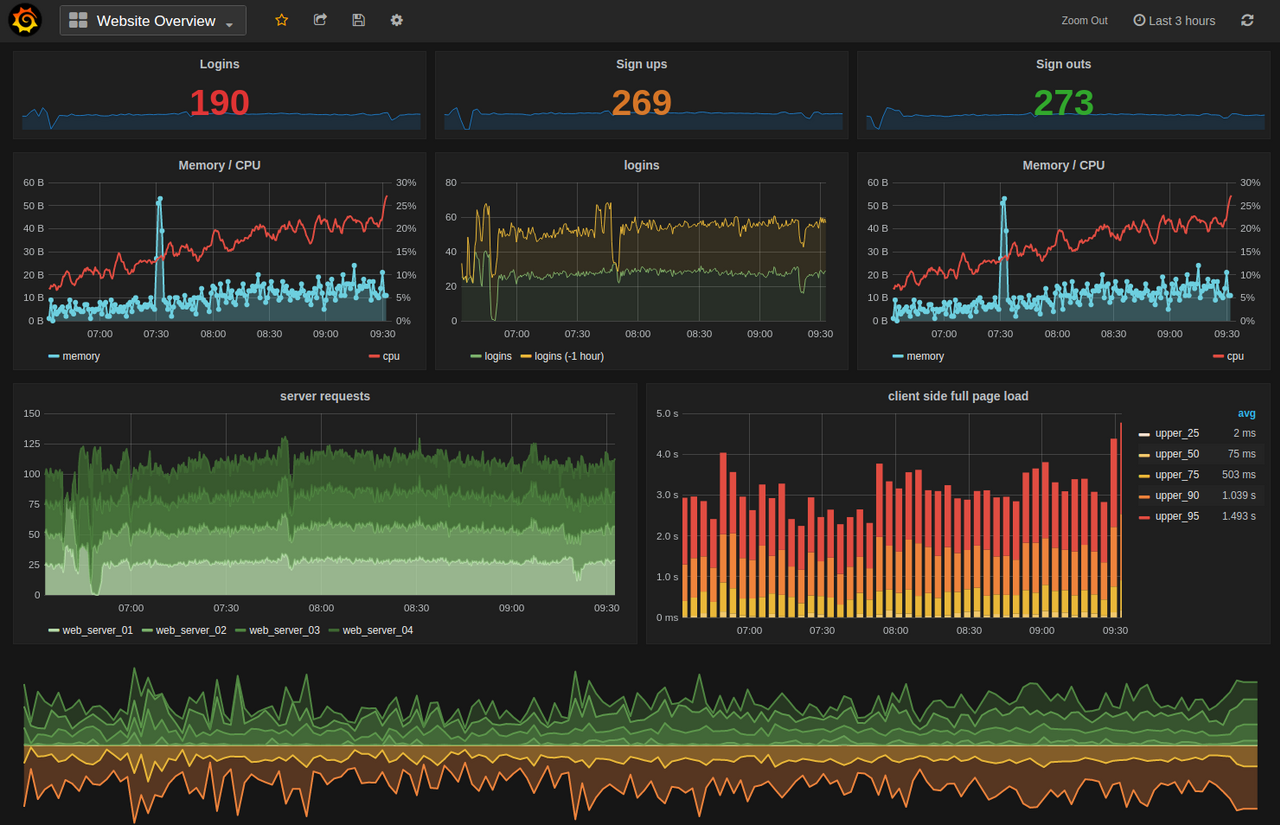
24/7 monitoring — alerts before impactOur tools detect anomalies before they become outages. You are notified before your users are.
📋
Contractual SLAs — 4h, NBD or criticalNo more "we’ll get to it as soon as possible". Intervention times are written in the contract and respected.
📞
Copper → VoIP migration fully guidedTealk IPBX or W3TEL IP Centrex with fixed-mobile convergence. Zero service interruption during the switch-over.
🔐
Firewall and security kept up to dateSecurity patches planned outside business hours, tested before deployment. Vulnerabilities are patched proactively.
🗂️
Complete, up-to-date network mapDocumentation kept current at all times. In an incident, the source is identified in minutes, not hours.
✅
Tested backups, documented DRPBackups are restored regularly to verify they work. The disaster recovery plan is operational — not theoretical.
Before / after
How it plays out in practice
1
A SMB network goes down on a Tuesday at 9:30 AM. The usual provider responds 6 hours later: intervention within 48 to 72 hours. Operations are at a standstill.
The koIT monitoring detects the anomaly at 9:28 AM, before user impact. Intervention started within the contractual SLA window. Resolution with no visible interruption.
2
A security audit reveals 3 critical vulnerabilities on a mid-size company’s firewall. The last update was 23 months ago. The provider "didn’t have time".
koIT plans patches monthly, outside business hours, tested before deployment. The firewall is always up to date — without manual intervention.
3
A local authority receives Orange’s letter announcing the copper switch-off. Its 40 PABX handsets will stop working. It doesn’t know where to start.
koIT guides the migration to a W3TEL IP Centrex. Gradual deployment, numbers ported, fixed-mobile convergence activated. Zero service interruption.
Digital sovereignty
A documented infrastructure that belongs to you
Local provider / generalist IT firm
❌No contractual SLA — intervention times not guaranteed
❌Network documentation stays with them — not with you
❌Reactive, never proactive — outages are managed, not prevented
❌IP telephony rarely their core business
With koIT
✅Contractual SLAs — 4h, NBD or critical as required
✅Complete network map, kept current — it belongs to you
✅24/7 monitoring — proactive alerts before user impact
✅Copper → VoIP migration guided with Tealk or W3TEL
Ready to move from a reactive infrastructure to a managed one?
An audit of your current infrastructure — network, security, telephony — to identify risks and priorities. No commitment, fully confidential.
Request an infrastructure audit